Responsibility
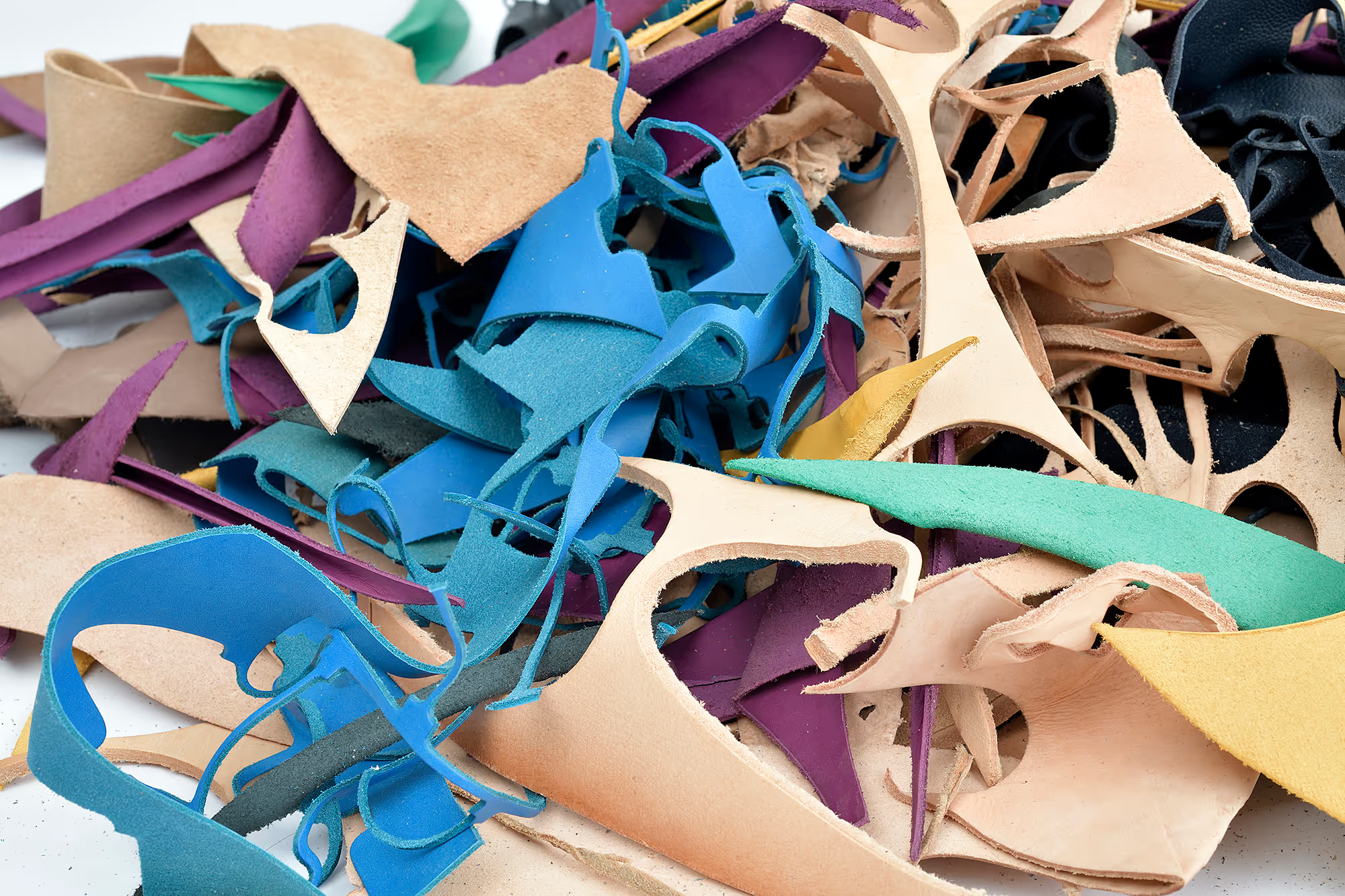
The production and processing of genuine leather produces significant amounts of industrial waste worldwide. In the consumer goods industry alone, around one million tons of genuine leather scraps are produced annually from waste, surplus and scrap, which have so far only been returned to material cycles to a very limited extent.
RELEA addresses this issue and systematically transfers residual leather materials into new, industrially usable materials. The basis is reproducible material recipes and reliable processes that integrate relevant quantities into existing value chains.
At RELEA, responsibility is an industrially feasible process, not an abstract promise.


Recycling
The use of animal hides as a material dates back several thousand years. Finds, such as Ötzi's equipment, show pelts and leather as functional, durable materials and as a by-product of its food production.
Even today, the industrial production and processing of genuine leather produces considerable amounts of residual material, which often remain unused despite the high quality of the material.
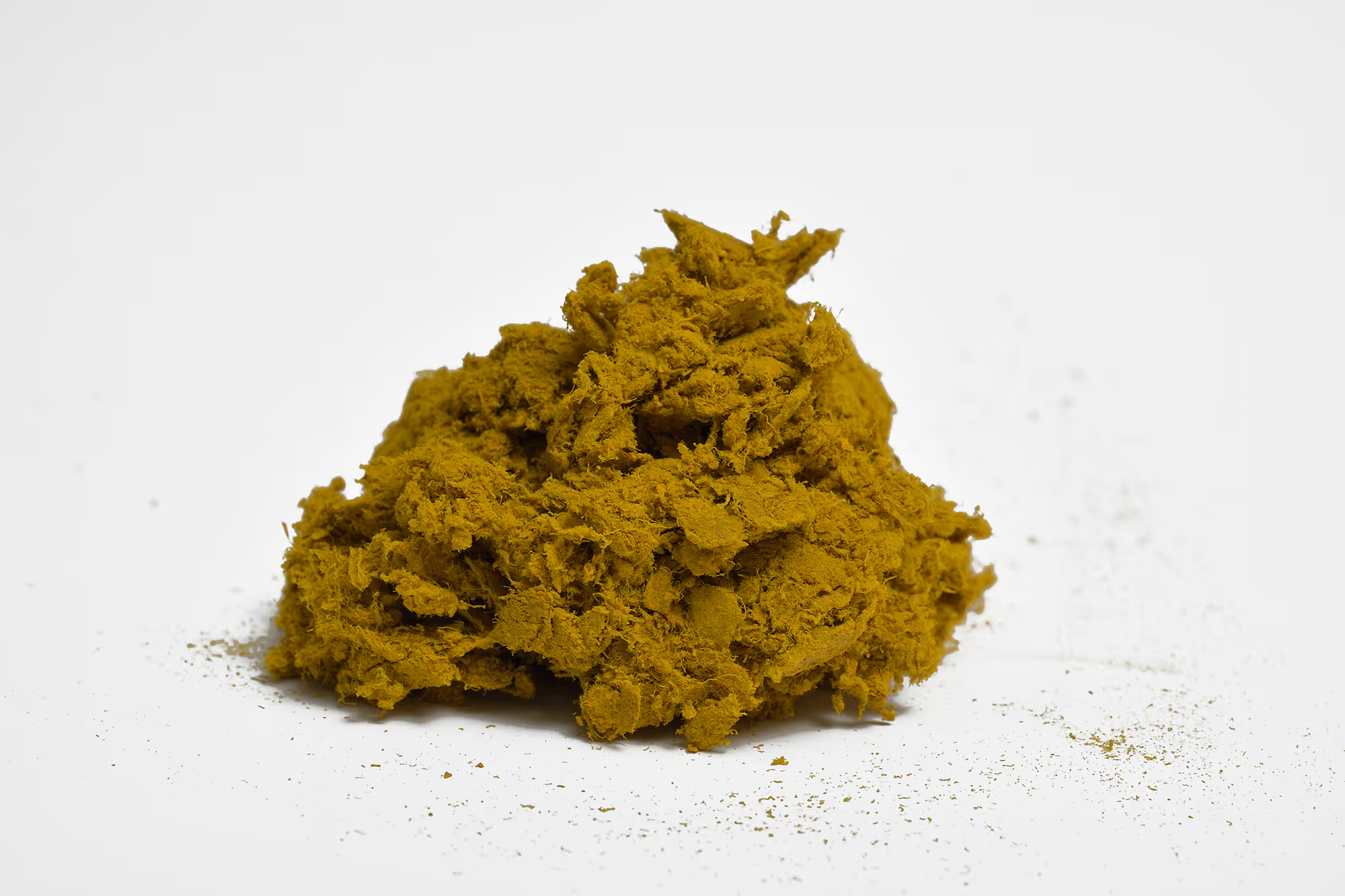
RELEA picks up on this approach and converts genuine leather scraps into new, industrially usable materials. The basis is a reproducible recycling process with defined material qualities.
Development and production are carried out in Germany, and further processing is carried out in European partner structures. Controlled processes and short distances ensure quality and scalability.
RELEA sees leather waste not as waste, but as a raw material within a modern material cycle.
Responsibility. Certified!
RELEA guarantees high recycling rates of over 50% to 85% genuine leather — the GRS certification checks and confirms this guarantee.
ÖkoTex ensures that there are no substances hazardous to health. Inspection and certification by ÖkoTex prove that RELEA is harmless!
Circular. Economy!
At RELEA, circular economy means the recycling of genuine leather scraps into new, industrially usable materials.
The aim is to re-integrate existing waste materials into existing value chains as a closed loop.
Scraps, offcuts and scrap produce reproducible material qualities that can be used again in the industries where the waste materials come from. This creates an industry-specific material cycle instead of linear use.
The technical and aesthetic specifications are defined based on the application. The system is designed for industrial volumes, process reliability and scalability.